Defibrillator at Normanton GC.
Hopefully you will have noticed that we have a diffibrillator mounted on the wall by the pro Shop. This was kindly donated by the EGGS section some years ago.
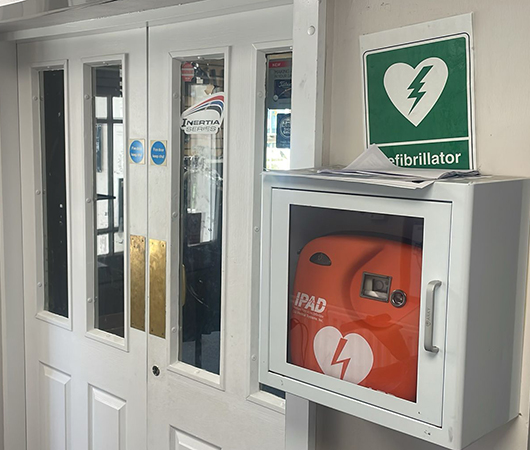
The unit is known as an AED (Automated External Defibrillator), which means it is intelligent and can even guide an untrained user through the process, using visual and voice prompts (see video).
Although we have trained a number of people, it’s very important to know that if you cannot locate a trained person, you can still use the AED yourself, as it will guide you through each step. As such, I would implore you to please invest just 10 minutes of your time to watch the training video. Those ten minutes could save a life.
Thank you
'Chain of Survival'
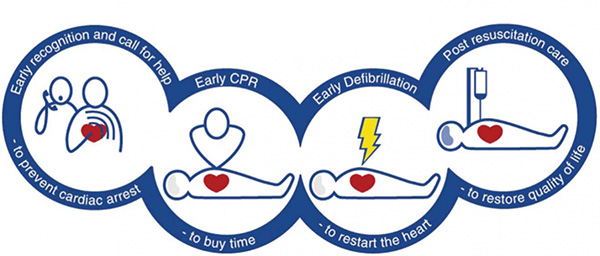
In the UK fewer than 10% of all the people in whom a resuscitation attempt is made outside hospital survive. When all the stages in the Chain of Survival take place promptly, the figures are very much better. This is possible where the arrest is recognised immediately, bystanders perform CPR, and an automated defibrillator is used before the ambulance service arrive. Survival rates in excess of 50% have been reported under these circumstances.
The Chain of Survival describes a sequence of steps that together maximize the chance of survival following cardiac arrest.
- The first link in the chain is the immediate recognition of cardiac arrest and calling for help.
- The second is the prompt initiation of CPR.
- The third is performing defibrillation as soon as possible.
- The fourth is optimal post resuscitation care.
Like any chain, it is only as strong as its weakest link, so if one stage is weak the chances of successful resuscitation are compromised.
Training Video - Use of Defibrillator
Please spare just 10 minutes to watch this instructional video - it may save a life! Thank you
CPR (Cardiopulmonary resuscitation)
Many people learn how to perform CPR through the workplace, but if you are not familiar, or you want to refresh your knowledge, this section of the British Heart Foundation will explain exactly what you need to know. Just click on the BHF Icon below